Explore our portfolio of enzymes
engineered for scalability, selectivity,
and activity.
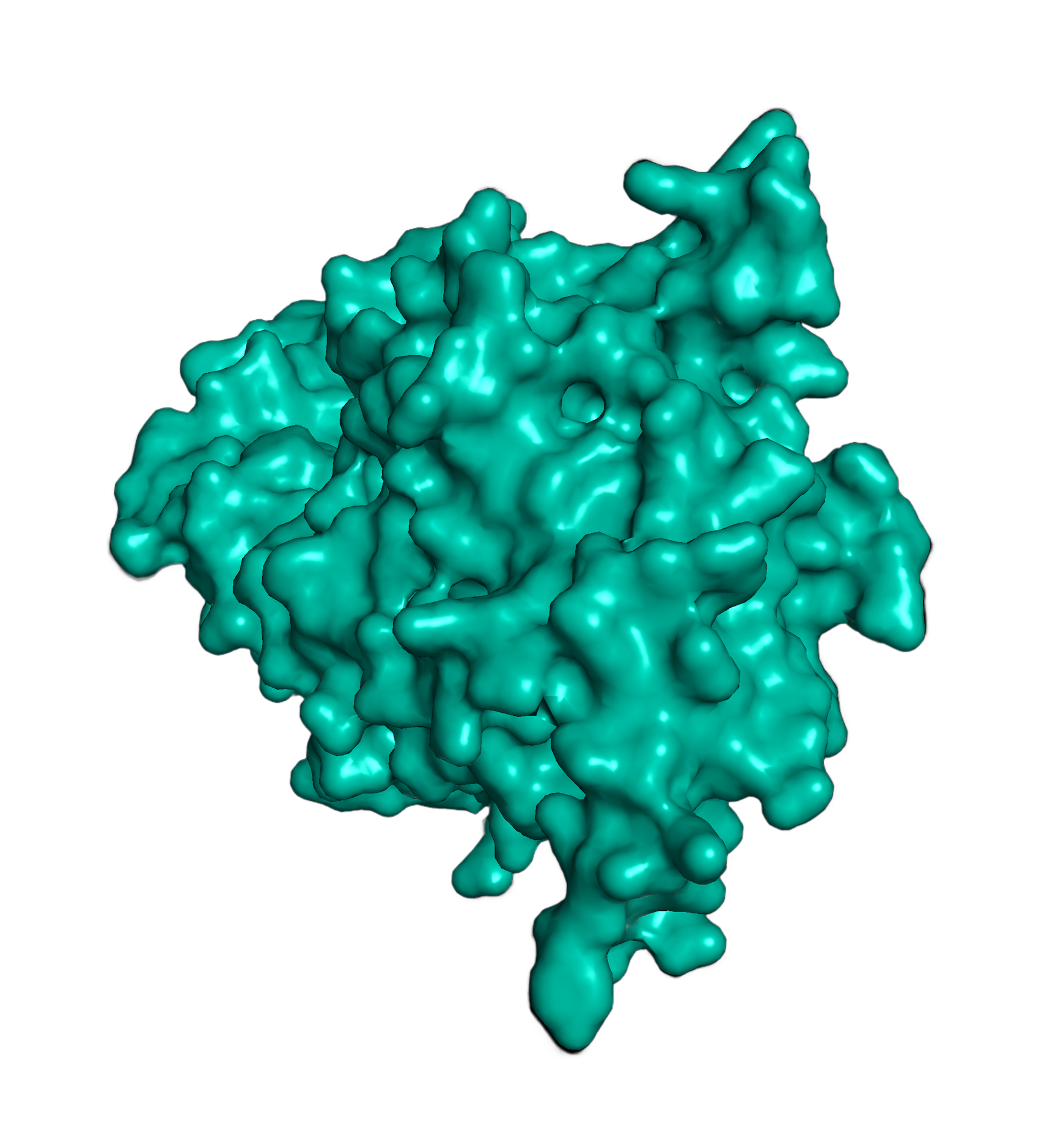
Glucose dehydrogenase is an auxiliary enzyme used in biocatalysis to regenerate redox cofactors (typically NADH or NADPH) by oxidizing glucose, enabling continuous and cost‑efficient operation of cofactor‑dependent enzymes.

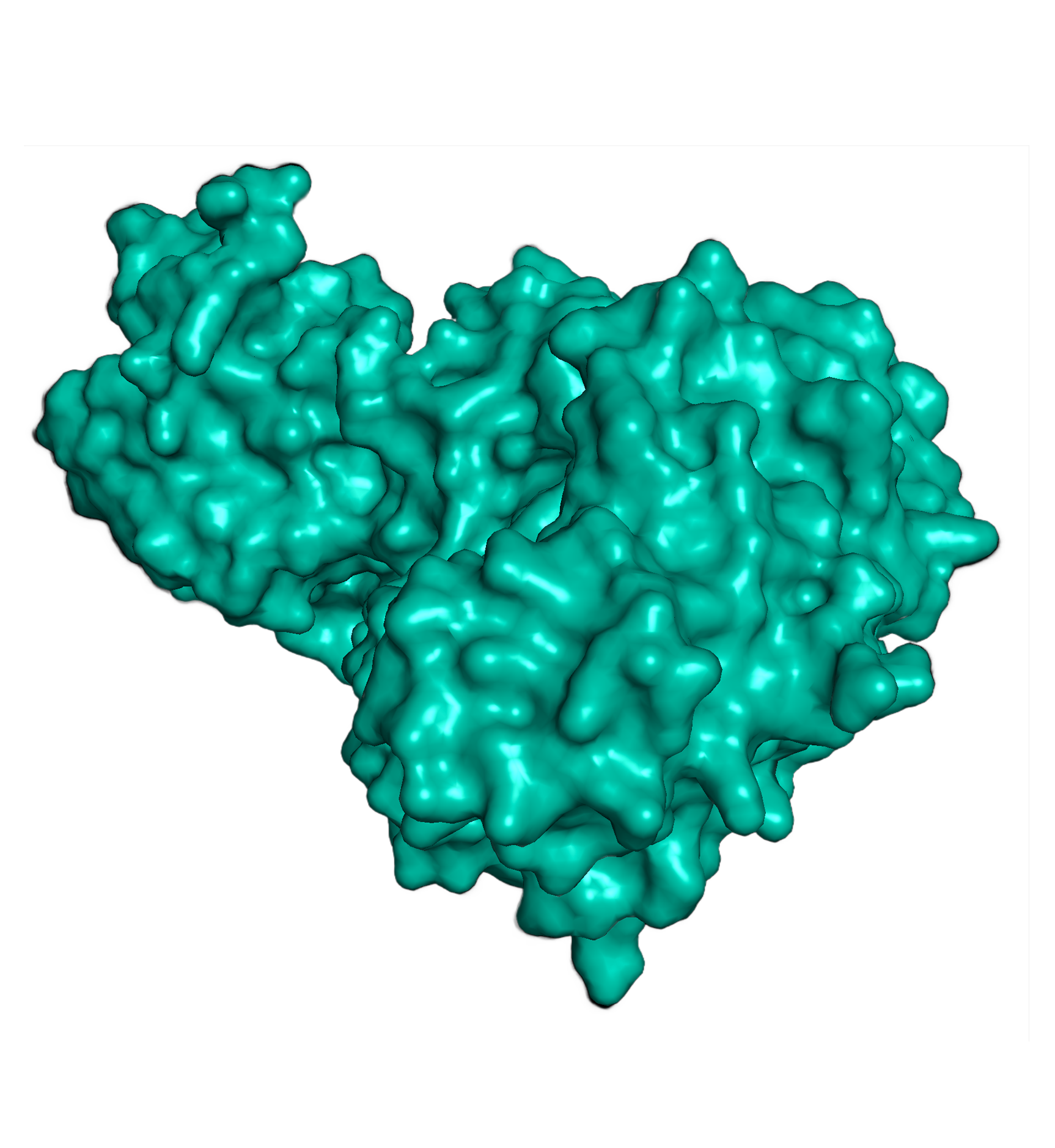
Unspecific peroxygenases are oxidative enzymes used in biocatalysis to catalyse selective oxyfunctionalisation reactions (e.g. hydroxylation, epoxidation) using hydrogen peroxide, enabling direct and sustainable C–H activation under mild conditions.

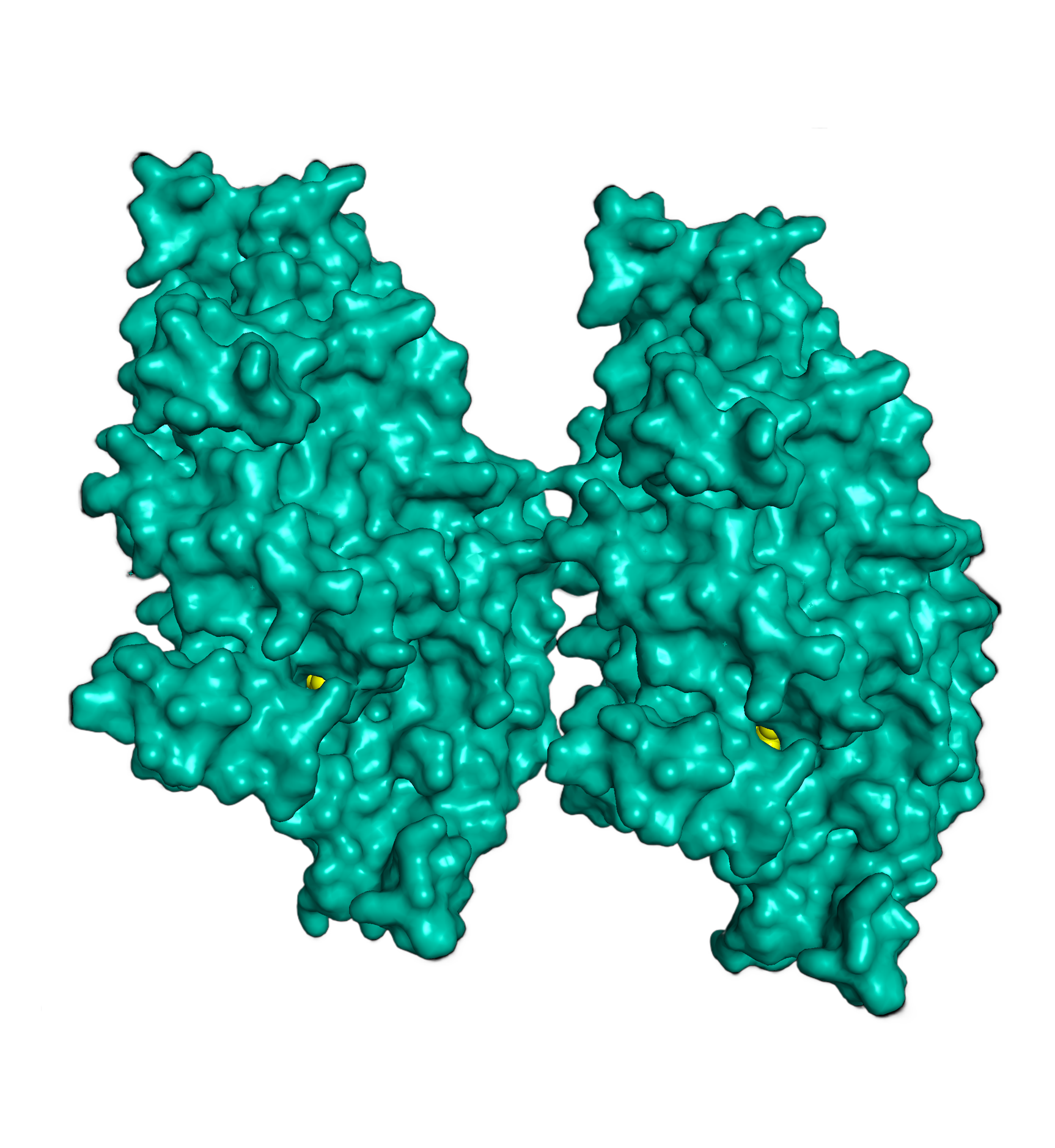
Transaminases are enzymes used in biocatalysis to transfer an amino group from an amino donor to a ketone or aldehyde, enabling the efficient and stereoselective synthesis of chiral amines under mild conditions.

Amino acid dehydrogenases are NAD(P)H‑dependent enzymes used in biocatalysis to catalyse the reversible reductive amination of keto acids to amino acids, enabling the efficient synthesis of optically pure amino acids under mild conditions.
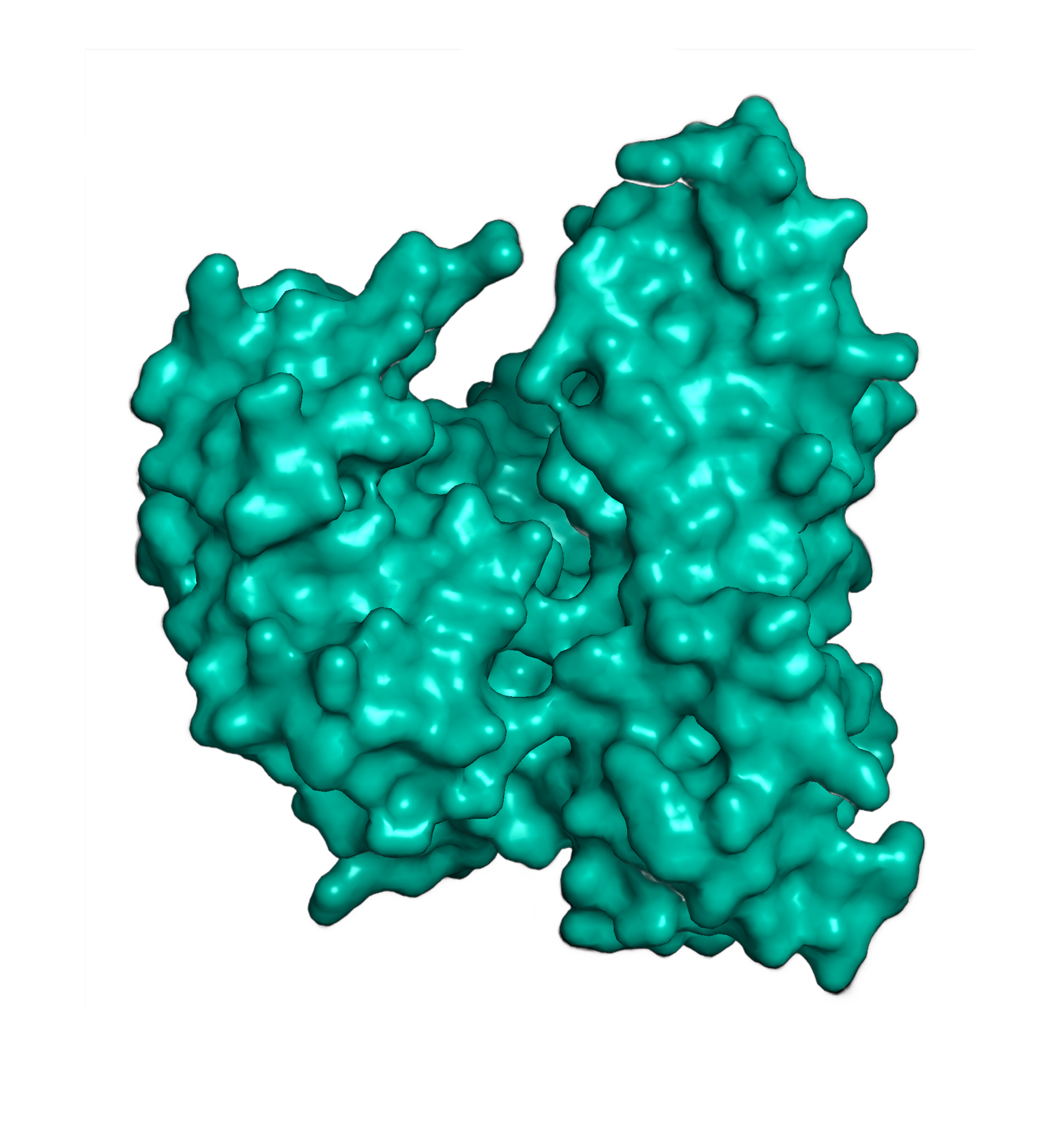
Adenosine deaminases catalyse the deamination of adenosine and related nucleosides, enabling selective base modifications and key transformations in nucleoside and pharmaceutical synthesis.


Working toward a specific target? Find the enzyme solution best suited for your workflow.